Defense systems often push edge processing and sensor performance to extremes, making them strong candidates for AI—but also exposing constraints that differ sharply from commercial deployments. This talk explains the unique technical and operational challenges of deploying AI for defense sensing and proposes practical approaches to address them. We’ll cover security-driven restrictions on using open-source tooling within protected networks, the gap between raw sensor data rates and feasible on-device AI throughput and the implications of processing complex or quadrature I/Q data where standard vision pipelines do not apply. We’ll also discuss how limited access to representative training data and realistic field testing affects model validation and how responsible AI requirements become higher stakes when systems influence command-and-control decisions. Finally, we’ll examine deployment realities such as temperature, shock, vibration and packaging, and what they mean for selecting silicon and building robust edge solutions.

Challenges in Deploying Edge AI in the Defense Industry
Session Speakers
-
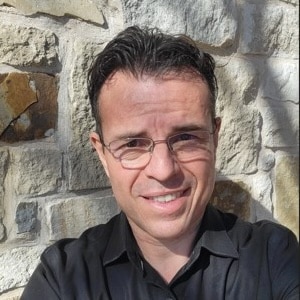
Roger Garcia
Senior Principal Engineer, Advanced Radar Products Department, Raytheon
Roger Garcia is a Senior Principal Engineer in the Advanced Radar Products Department at Raytheon. He earned his BS in Electrical Engineering from the University of Texas at San Antonio and is a graduate student in Machine Learning and Artificial Intelligence at the George Washington University School of Engineering and Applied Science. Roger has over 25 years of combined experience in digital signal processing (DSP), FPGA-based system design and artificial intelligence. He specializes in advanced radar systems and DSP and FPGA architectures for aerospace, defense and semiconductor applications. Roger holds multiple patents and provisional filings with WIPO and the USPTO. Currently at Raytheon he leads AI/ML-driven active electronically scanned array radar research and FPGA-based software defined radar (SDR) application for next-generation radar and electronic warfare systems. He has held key engineering roles in commercial and defense industries leading and designing FPGA/ASIC and algorithm-based solutions for telecommunications and avionics.